Understanding Lawn Dethatching
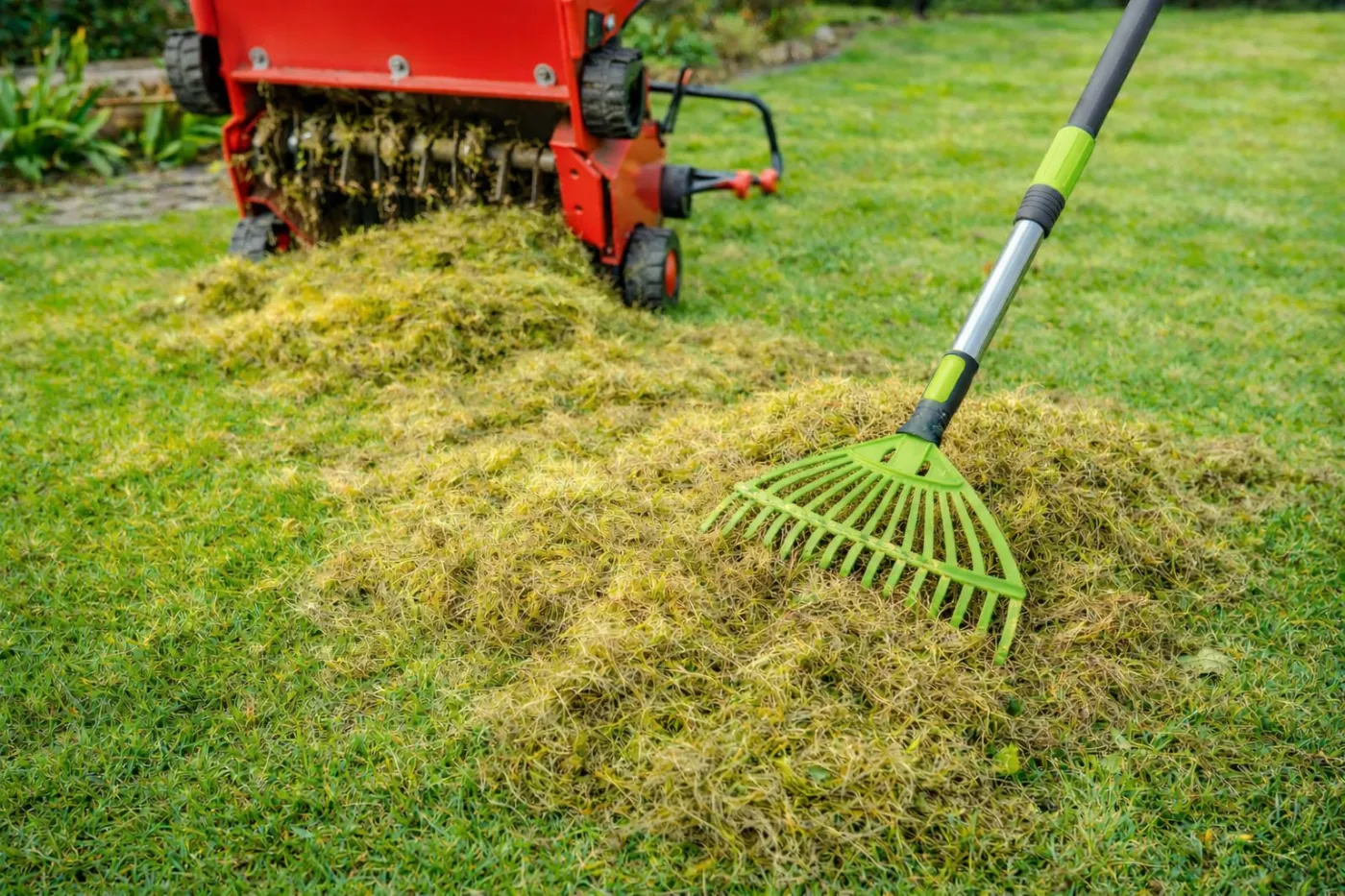
Lawn dethatching is the process of removing the thick layer of dead grass stems and roots that builds up between the soil and the living turf. This layer is called thatch, and while a small amount is normal, too much blocks water, air, and nutrients from reaching the roots. In Fort Worth, warm-season grasses like Bermuda and St. Augustine can develop excess thatch more quickly due to heat, clay soil, and frequent mowing. When thatch becomes too heavy, grass begins to thin, brown patches appear, and watering no longer seems to help. Dethatching restores access to the soil surface so the lawn can breathe again and start absorbing what it needs to grow strong and healthy.
Why Fort Worth Lawns Struggle With Thatch
The soil in Fort Worth is naturally dense and slow-draining, which makes it easier for organic material to sit on top rather than break down. Long periods of heat also slow decomposition, causing dead material to accumulate year after year. High foot traffic, pets, and irrigation systems can make the problem worse. Even well-maintained lawns can develop thick thatch without showing early signs. That’s why many homeowners are surprised when a yard that looks healthy suddenly declines. Dethatching removes this barrier and gives the grass a fresh chance to recover.
Signs Your Lawn Needs Dethatching
Early Indicators to Watch For
Most homeowners don’t notice thatch buildup until the lawn starts to struggle. Common warning signs include:
- Grass feeling spongy or bouncy when walking across it
- Brown patches that don’t respond to watering
- Water running off instead of soaking in
- Thin, weak, or wiry grass near the surface
- Lawn mower scalping high spots
- Thick, matted debris at the soil line
- Areas that stay dry even after irrigation
If you can pull up a section of grass and see a layer of dry, tangled roots thicker than half an inch, dethatching may be overdue.
When It Becomes Urgent
Large thatch buildup can choke the turf and create long-term problems if ignored. Once moisture and nutrients can no longer get through, grass begins to die from the roots up. In Fort Worth’s hot climate, decline can happen quickly during late spring and summer. Dethatching at the right time helps stop further damage and supports faster recovery.
How Our Lawn Dethatching Service Works
Property Assessment and Preparation
We begin every service with a walkthrough to understand the lawn’s condition and identify sensitive areas. Sprinkler heads, shallow utility lines, and new sod sections are checked before equipment is used. We explain what homeowners can expect during and after service so there are no surprises. Our goal is to remove only what’s necessary without harming healthy turf.
Professional Dethatching Process
We use specialized power rakes designed for Fort Worth’s warm-season grasses. These machines lift and remove excess thatch while protecting the living grass layer. The process is done carefully and evenly across the lawn, avoiding aggressive settings that can tear up turf. Once the material is brought to the surface, we collect and haul away the debris so the yard is clean and ready for recovery.
Safe, Controlled Results
Unlike rental tools or manual rakes, professional dethatching delivers consistent depth and avoids unnecessary damage. We never rush through a yard, and if conditions aren’t right—such as during extreme heat—we’ll recommend better timing instead of pushing a service that won’t benefit your lawn.
Best Time to Dethatch in Fort Worth
Warm-season grasses recover best when dethatching is done during active growth. The ideal timing is:
- Late Spring: After green-up, when grass can repair itself
- Early Summer: When growth is strong and temperatures are stable
Dethatching should not be done during winter dormancy or extreme heat stress. Performing the service at the wrong time can slow recovery and increase the chance of damage. Our team schedules dethatching based on the lawn’s condition—not just the calendar.
Benefits of Professional Dethatching
Immediate and Long-Term Improvements
Removing excess thatch helps:
- Water penetrate the soil instead of running off
- Grass roots access oxygen and nutrients
- Fertilizer work more efficiently
- Reduce fungal and pest issues
- Improve color and density over time
- Support stronger, more resilient turf
For many homeowners, dethatching is the turning point when a struggling lawn begins to improve again. Because clay soil in Fort Worth breaks down slowly, professional dethatching can make a noticeable difference within a short period.
What to Expect After Dethatching
Normal Appearance and Recovery
Right after service, the lawn may look slightly rough or thinned. This is normal and temporary. Most homeowners notice:
- Better water absorption within days
- Gradual thickening as new growth appears
- Improved softness underfoot
- Healthier color over the following weeks
We leave simple care instructions based on the season, including watering and mowing guidance. No special products are required unless the lawn has additional challenges.
Simple Aftercare Tips
- Water lightly for several days, depending on weather
- Avoid mowing too short during recovery
- Keep foot traffic low for the first week
- Expect visible improvements within the growing cycle
Recovery time varies, but Fort Worth lawns usually respond quickly when dethatched at the right time.
Frequently Asked Questions
How often should I dethatch my lawn?
Most lawns only need dethatching every few years. Lawns with heavy traffic, thick thatch history, or clay-heavy soil may need it more often.
Will dethatching damage my grass?
When done correctly and at the right time, dethatching helps—not harms—the turf. Our equipment and process are designed for safe removal.
Is dethatching the same as aeration?
No. Dethatching removes surface buildup, while aeration relieves soil compaction below the surface. Each service targets a different problem.
Can I dethatch new sod?
Dethatching should not be done on new or recently installed sod. We can help determine safe timing.
Service Areas We Proudly Serve
Fort Worth Lawn Aeration provides professional dethatching for homeowners across:
- Fort Worth
- Saginaw
- Keller
- Haslet
- Hurst
- North Richland Hills
- Haltom City
- Lake Worth
- Benbrook
If you’re unsure whether your home is included, we’re happy to confirm.
Why Choose Fort Worth Lawn Aeration
Local Knowledge and Reliable Service
We’re a local, family-built business—not a franchise. We understand the soil, weather, and turf challenges unique to North Texas.
Professional Equipment and Careful Technique
Our specialized power rakes are designed for warm-season grasses and deliver consistent, safe results.
Honest Guidance and Clear Communication
If your lawn doesn’t need dethatching, we’ll tell you. We only recommend services that benefit the yard.
Your Trusted Local Partner for Lawn Dethatching
At Fort Worth Lawn Aeration, our focus is simple—helping homeowners restore healthy, thrivin